 +91-9810453833





 DRY FRUITS
 WHOLE SPICES
 SEEDS
SEEDS BERRIES & FRUITS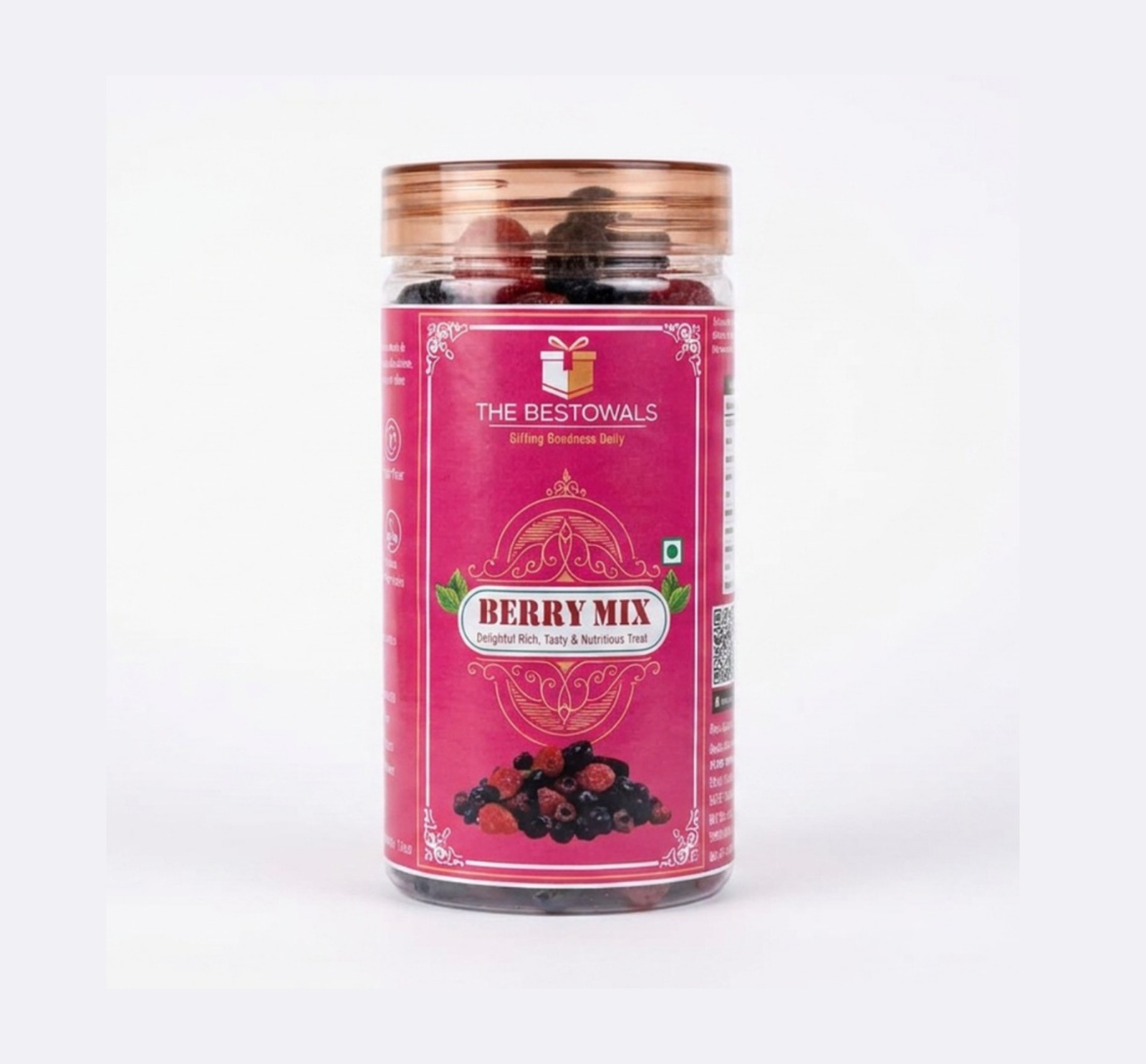
Berry Mix jar
300

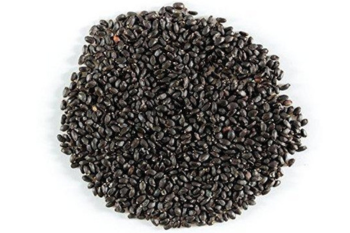
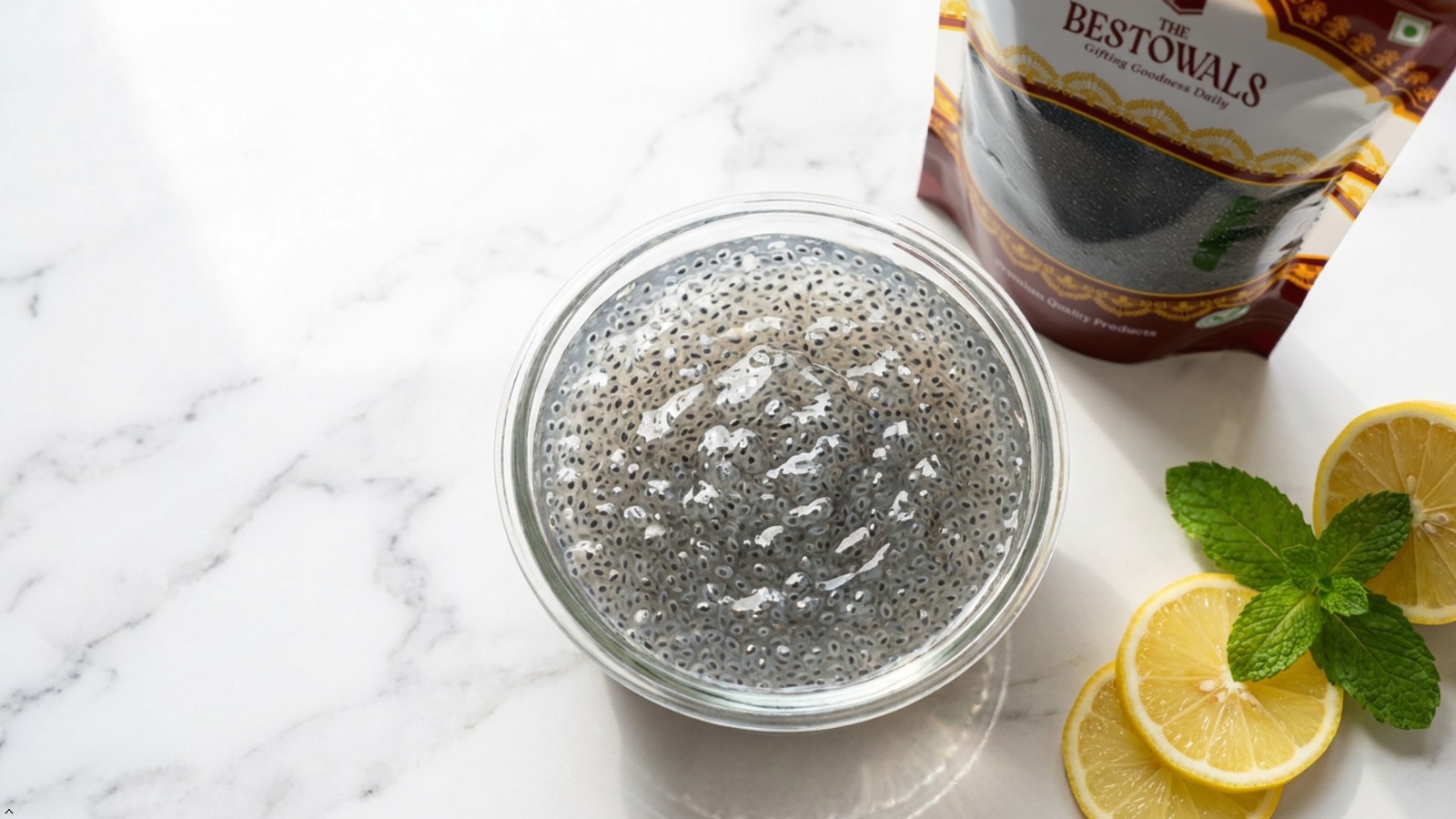

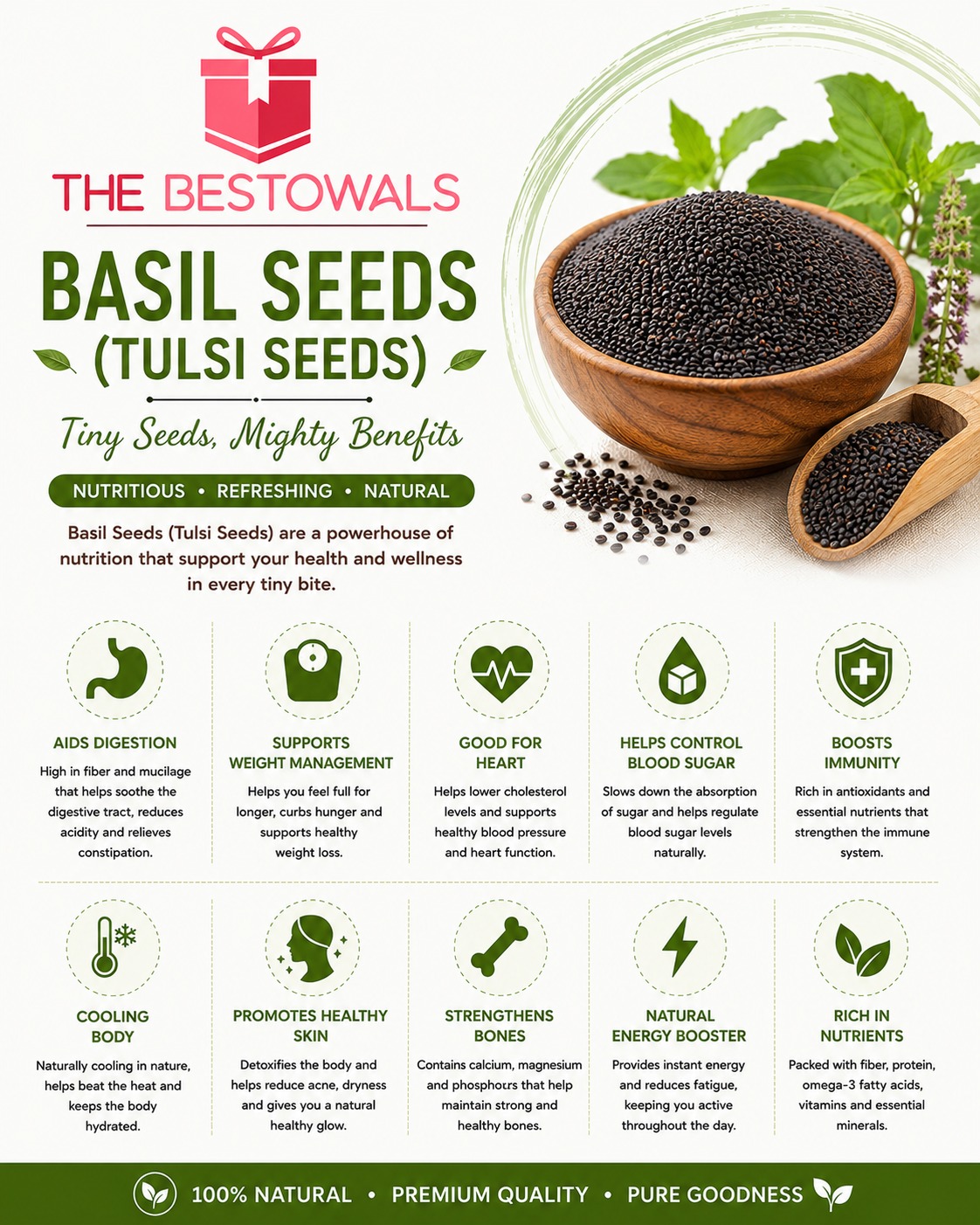
Sabja Seeds • Basil Seeds • Tukmaria • Falooda Seeds • Sweet Basil Seeds • Takmaria • Tulsi Beej
Sabja seeds are edible seeds obtained from sweet basil plants.
Known for:
They are especially popular in:
Sabja seeds naturally contain:
They are especially appreciated for:
Sabja seeds have long been valued in Indian households during:
When soaked, sabja develops:
This is because of soluble fiber.
Unlike heavy snacks, sabja preparations feel:
especially in summer beverages.
The most iconic traditional use.
Added into:
for texture and cooling richness.
Mixed into:
especially during summers.
Added for:
Used in:
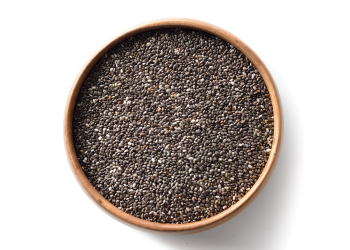
People often confuse sabja with Chia seed, but they are different.
| Feature | Sabja Seeds | Chia Seeds |
|---|---|---|
| Soaking Time | Very fast | Slower |
| Texture | Gel outside only | Gel throughout |
| Color | Deep black | Grey-black mix |
| Taste | Neutral | Slightly nutty |
| Traditional Use | Falooda & drinks | Smoothies & bowls |